

Most thyroid nodules are harmless, but some need treatment. If yours is suspicious or causing symptoms, you may need thyroid nodule surgery. This procedure removes the problem nodule and the affected tissue. At The Thyroid Institute, Dr. Jason Cohen provides expert thyroid nodule surgery with a focus on safety.
Below, we explain when surgery is needed, how it works, and what recovery looks like. This guide will help you feel informed and prepared.
What Are Thyroid Nodules?
A thyroid nodule is a lump within the thyroid gland. The thyroid sits low in the front of the neck. Nodules are very common and often cause no symptoms. Many are found by chance during a scan. Most are benign, but some need a closer look.
Are Thyroid Nodules Dangerous?
The good news is that most nodules are harmless. In fact, only a small share are cancerous. However, some nodules grow or behave abnormally. Others make too much hormone. For these reasons, a careful evaluation matters. To learn more, visit our thyroid nodules page.
How Nodules Are Diagnosed
Diagnosis usually starts with an ultrasound. This scan shows the size and features of the nodule. Next, a blood test checks your thyroid hormone levels. If needed, a fine-needle biopsy samples the cells. These steps guide the right plan for you.
7 Signs You May Need Thyroid Nodule Surgery
Not every nodule needs removal. Still, surgery may be wise in these cases:
- A biopsy that is suspicious or cancerous
- A nodule that keeps growing
- Trouble swallowing or breathing
- A hoarse voice or pressure feeling
- A nodule that makes too much hormone
- An unclear or indeterminate biopsy
- A large or visible neck lump
If any of these apply, ask a specialist about thyroid nodule surgery.
When Thyroid Nodule Surgery Is Recommended
Thyroid nodule surgery is recommended when a nodule poses a risk. For example, surgery is wise when a biopsy looks suspicious. It also helps when a nodule presses on the airway. In addition, a hormone-producing nodule may need removal. Your surgeon explains whether surgery fits your case.
The Role of the Biopsy
A biopsy is often the key test. It samples cells from the nodule with a thin needle. The results show whether the nodule is benign or suspicious. Clear results guide a confident decision. When results are unclear, surgery can provide answers.
Types of Thyroid Nodule Surgery
Thyroid nodule surgery comes in two main forms. A lobectomy removes the half of the gland with the nodule. A total thyroidectomy removes the whole gland. The right choice depends on the nodule and your diagnosis. Your surgeon helps you weigh the options.
How the Surgery Works
The surgery takes place under general anesthesia. The surgeon makes a small incision low in the neck. Then they remove the nodule and the affected tissue. Throughout, they protect the voice nerves and parathyroid glands. Most procedures take two to three hours.
Risks and Possible Complications
Thyroid surgery is very safe in expert hands. Still, every operation carries some risk. Possible issues include bleeding, infection, or a temporary hoarse voice. Rarely, calcium can dip low for a short time. An experienced surgeon greatly reduces these risks.
Recovery After Thyroid Nodule Surgery
Recovery after thyroid nodule surgery is usually smooth. Most patients go home within a day. You can return to light activity within a week or two. Mild neck soreness and a hoarse voice often fade quickly. For trusted thyroid information, you can also visit the American Thyroid Association.
Will You Need Thyroid Medication?
It depends on how much of the gland is removed. After a total thyroidectomy, you will take a daily thyroid pill. After a lobectomy, many people keep normal hormone levels. Your doctor checks your labs and adjusts as needed. With the right care, most people feel normal.
Caring for Your Scar
Most thyroid scars heal into a thin, faint line. Keep the area clean and protected from the sun. In addition, follow your surgeon’s advice on creams or silicone sheets. Over time, the scar usually fades and softens. Many patients are surprised by how little it shows.
When Monitoring Is Enough
Not every nodule needs surgery. Many benign nodules can simply be watched. In that case, your doctor repeats an ultrasound over time. If the nodule stays stable, no treatment is needed. Surgery is reserved for nodules that raise concern.
What to Expect on Surgery Day
Surgery day is usually calm and well organized. When you arrive, our team checks you in and answers questions. Next, the anesthesia team keeps you comfortable and safe. After surgery, you rest in recovery while we monitor you. Most patients go home the same day or the next morning.
Tips for a Smooth Recovery
A few simple habits speed your healing. First, rest and avoid heavy lifting at first. Next, eat soft foods if swallowing feels tender. Also, take medications exactly as directed. Finally, attend every follow-up visit so we can track your progress.
Why Choose The Thyroid Institute
Thyroid surgery demands real skill and focus. Dr. Cohen performs these procedures often, with excellent results. Moreover, he uses precise techniques to protect your voice and calcium balance. From your first visit to full recovery, our team supports you.
Questions to Ask Your Surgeon
Before surgery, come prepared with questions. You might ask about your biopsy results and options. You can also ask how many thyroid surgeries your surgeon performs. In addition, ask about voice and calcium protection. Clear answers help you feel confident.
Meet Dr. Cohen
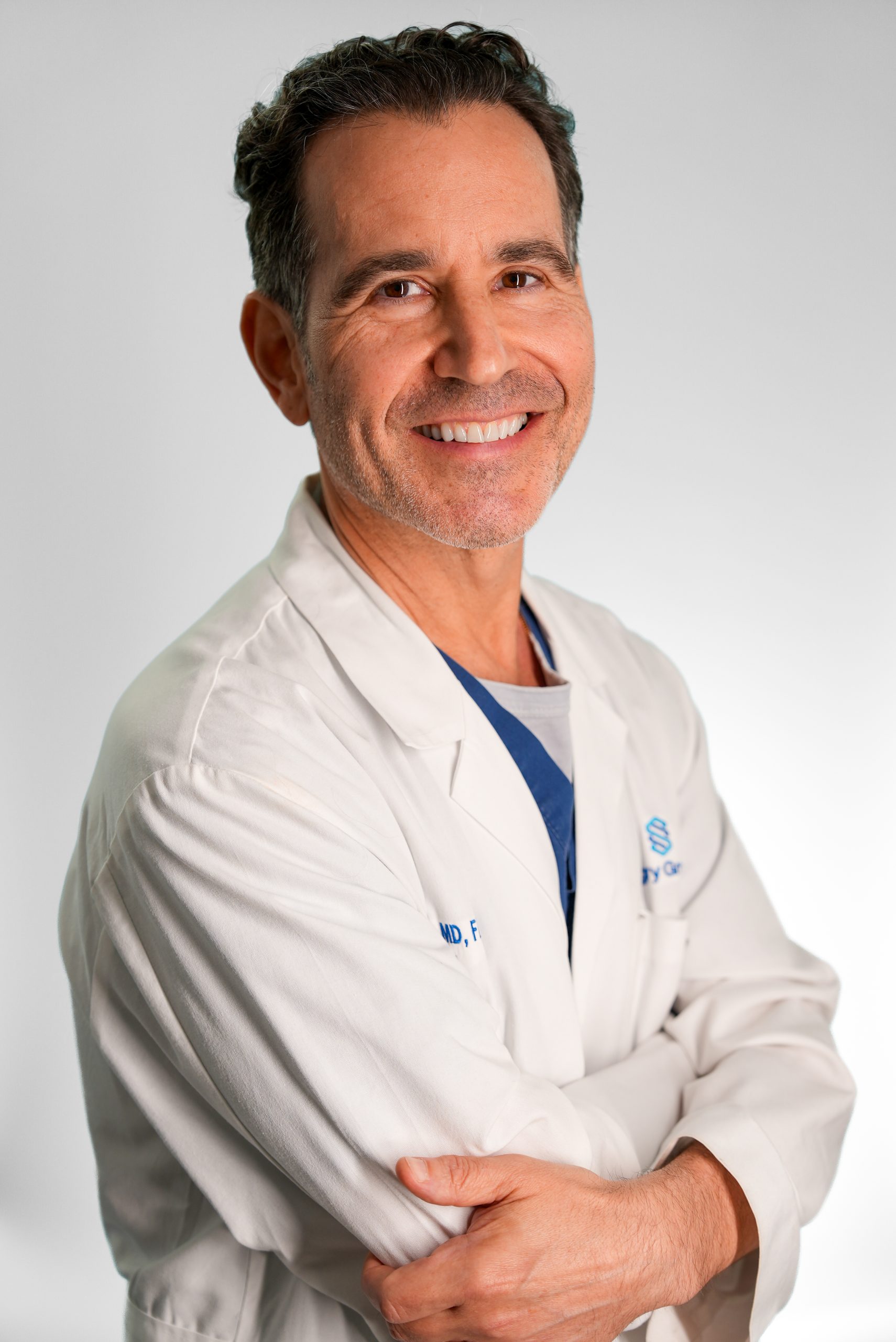
Dr. Jason Cohen is a dedicated thyroid and parathyroid surgeon. He brings years of focused experience to every case. Patients value his clear guidance and gentle approach. To learn more, visit our about Dr. Cohen page.
FAQ About Thyroid Nodule Surgery
Do all thyroid nodules need surgery? No. Most are benign and can simply be watched.
Is thyroid nodule surgery painful? Most patients feel only mild soreness, which fades within days.
Will my voice change? A temporary hoarse voice is common and usually resolves.
How long is recovery? Many people return to light activity within one to two weeks.
When to Call Your Doctor After Surgery
Most recoveries are smooth, but watch for warning signs. Call your doctor if you notice a rapidly swelling neck or any trouble breathing. Likewise, report numbness or tingling in the hands or around the mouth. A fever, spreading redness, or drainage also deserves a call. When in doubt, reach out to our team right away.
Schedule Your Consultation Today
A concerning thyroid nodule deserves expert care. With the right surgeon, thyroid nodule surgery is safe and effective. If your nodule is suspicious or growing, our team is here to help. Schedule a consultation with The Thyroid Institute today.
